
Keno vs Bingo Differences: What Mobile Players in Australia Really Notice
Picture a humid arvo at the Cairns Esplanade, paper tickets sliding across a sticky pub table while the draw ticks over the speakers. Most folks lump keno and bingo into the same bucket – numbers on a card, the slow burn of anticipation – but the mechanics, pacing, and what a mobile screen actually shows you are worlds apart. Once you play both on a phone, the contrast snaps into focus, and the gap gonzosquestslotau.com between a smooth session and a clunky one usually shows up before your first draw.
How Mobile Play Reorders Keno vs Bingo Differences
When the same numbers shift from a paper ticket to a phone screen, the real keno vs bingo differences start shouting. Keno on mobile is essentially a numbers-picker with a pace knob – you tap between 1 and 20 spots, set a draw interval, and watch results stream in. Players testing the mobile build at online-royalreels.com can usually tell within two draws whether the layout respects their thumb zone.
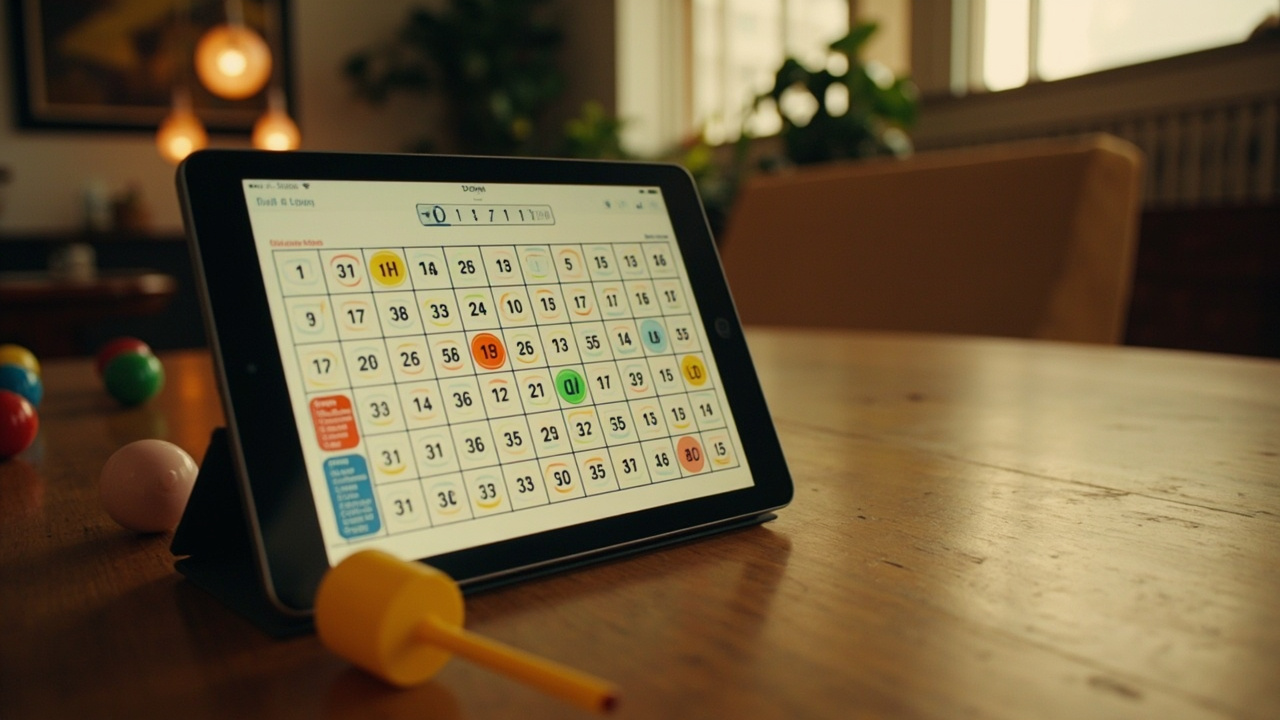
Bingo collapses everything onto a busy grid where auto-daub handles most of the work and chat windows fight for screen real estate.
A smooth browser session matters more than people reckon. Vertical orientation suits keno’s tall ticket layout, while bingo needs landscape to give the cardroom chat enough breathing room without smothering the grid. Touch targets in keno need to be spaced generously because you’re tapping individual numbers; bingo’s grid can afford tighter cells because fat-finger tolerance is forgiving on a 6×6 layout. I have measured load behaviour on lower-end Android handsets around Cairns suburbs, and keno pages tend to weigh in heavier per draw – animated ball reveals, countdown timers, and payout tables stack up. Bingo clients are usually lighter per draw but compensate with constant chat pings, push notifications, and live host video that drains battery across a long session.
Where Each Game Wins and Loses on a Phone Screen
Keno on Mobile – Fast Numbers, Heavier Builds
Keno has the cleaner mobile story of the two. Draws are short, the tap-and-confirm flow is intuitive, and most operators bundle it inside a sportsbook-style shell rather than a standalone app. The trade-off is data weight – each draw loads fresh ball animations and a new payout matrix – and battery drain on a long Saturday session at the Cairns Showground is noticeable. Reducing bet limits and spin speeds is shown to lower the intensity of pokie losses, and the same logic applies to keno stake tiers: smaller bets mean longer viewing without the same hit to your wallet. Auto-pick and saved number sets save faffing about for the next draw, which is where keno genuinely beats bingo on a 6-inch screen. Annika Lee, Head of Live Casino at Coral Coast Interactive, puts it plainly: “Keno on mobile rewards short, focused sessions – the moment you start multitasking, the draw cycle outpaces your attention.”
Bingo on Mobile – Social Draws, Quieter Mechanics
Bingo’s mobile experience is the opposite shape: lighter per draw, heavier across a full cardroom session. Auto-mark is forgiving for casual play, and the bingo app build is usually a full download rather than a browser tab – meaning it leans on real estate on your home screen but loads instantly once opened. Host video feeds in more often, chat scrolls constantly, and the live-caller audio keeps the room alive when signal wobbles in regional Queensland.
The trade-off is permission fatigue: location, notifications, camera for ticket verification, microphone for the chat box – bingo apps ask for the lot. That stack can spook players in regional pockets where signal drops in and out, and it pulls focus from the actual gameplay loop. Navigation gets noisy once the chat pings stack up against draw reminders. Blake Kelly, Compliance Director at Flinders Interactive Group, flags the consent side: “Bingo apps collect more telemetry than keno – players should check the privacy settings before their first card, not after.”
Matching the Game to Your Phone’s Reality
From a player-need angle, the mobile divide lines up with how you actually play rather than how the games look on paper. Keno fits the gaps – three minutes at the bus stop, a quiet ten in the carpark – because each draw is self-contained and the UI stays out of your way once you’ve locked in your spots. Bingo asks for a longer commitment: stable signal, decent battery, and ideally Wi-Fi so the host video and chat behave themselves.
Setting up a keno session on a phone takes only a handful of taps:
- Open the operator’s site and tap the keno tile from the lobby.
- Pick between 1 and 20 spots on the ticket grid.
- Set your stake and confirm the wager.
- Watch the draw stream in and let auto-credit handle any wins.
Players heading out for the night from the Cairns CBD tend to favour keno’s flexibility, while regulars in the Sunday arvo cardroom lean towards bingo’s social pull. After twenty-odd years auditing mobile builds, my call is to match the game to your phone’s reality rather than the other way around – that is what separates a usable session from a wasted download.
Neither keno nor bingo wins on mobile outright – keno owns the quick-bite sessions and bingo owns the social ones. The honest call is to pick by context, not by category. A spare ten minutes and a tired battery? Keno. A settled arvo, full charge, and stable Wi-Fi? Bingo. Treat the screen as a constraint, not a feature, and the difference stops feeling like a dilemma.
Let me craft something natural that continues the thought about choosing between keno and bingo based on context.
If you’re squeezing in a few spins during your commute, keno’s the obvious pick. But when you’ve got mates online and a few hours to kill, bingo’s chat rooms and community games are hard to beat. For a platform that handles either crossover smoothly, online-royalreels.com is worth a look.